Loading...
Back to Blog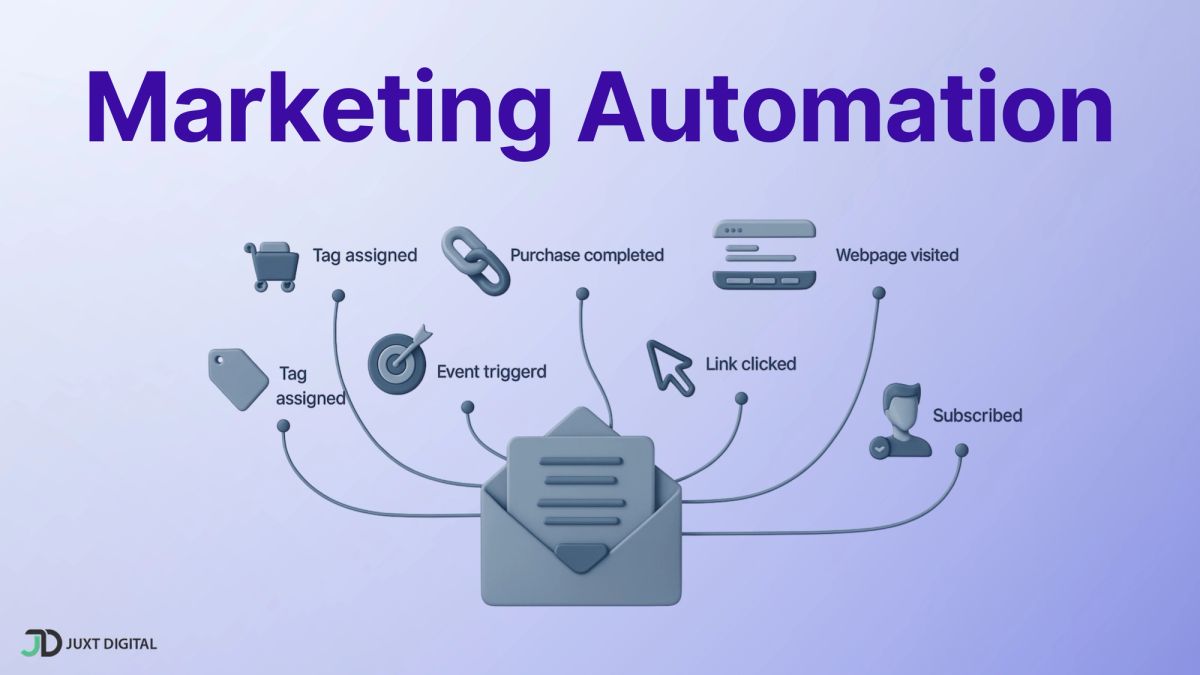
marketingautomation
What is Marketing Automation? A Complete Guide to Higher ROI Marketing
Editor
April 28, 2024
5 min read
Achieve higher marketing ROI with less staff time using automation. Convert leads on autopilot with personalized sequences that nurture prospects efficiently.
Marketers using automation are 46% more likely to report effective marketing strategies, and companies using marketing automation outperform their competitors by 63%. As marketing budgets shrink and competition increases, businesses use marketing automation to streamline processes, improve efficiency, and drive revenue growth. But what exactly is marketing automation?
Put simply, marketing automation involves using software to automate repetitive marketing tasks. These tasks can include sending emails and social media posts to managing ad campaigns, and tracking website traffic. By automating these tasks, marketers can free up time to focus on more strategic initiatives, such as developing new marketing campaigns and creating more engaging content.
How does marketing automation work?
Marketing automation uses software to trigger actions based on pre-defined rules and workflows. For example, a marketer might create a workflow that automatically sends a welcome email to new subscribers or an abandoned cart reminder to shoppers who leave items in their online shopping carts.
These workflows can be as straightforward or as complex as needed, and they can be customized to fit the specific needs of any business. Some common marketing automation workflows include:
- •Email marketing: Sending automated email sequences to nurture leads, welcome new customers, or promote products and services.
- •Social media marketing: Scheduling social media posts, tracking social media engagement, and running social media ads.
- •Lead nurturing: Sending targeted content to leads based on their interests and behavior.
- •Lead scoring: Assigning points to leads based on their engagement with your marketing materials, helping to identify the most qualified leads.
What can marketing automation do for your business?
Marketing automation can have a significant impact on your business, helping you to:
Personalized workflows
Marketing automation allows you to create personalized workflows that deliver the right message to the right person at the right time. This can help to improve customer engagement and increase conversion rates. For example, you can use marketing automation to send targeted emails to leads based on their interests or to offer personalized product recommendations based on their past purchases.
Streamlined processes
Marketing automation can streamline your marketing processes, making managing your campaigns and tracking your results more manageable. This can free up time for your marketing team to focus on more strategic initiatives. For example, you can use marketing automation to automate tasks such as email list segmentation, social media scheduling, and lead scoring.
Build a best-in-class customer experience with your business
Automating your marketing processes can free up time to focus on providing a better customer experience. This can lead to increased customer satisfaction and loyalty. For example, you can use marketing automation to send personalized emails to customers, offer them exclusive deals, or provide them with helpful support resources.
How to get the most out of marketing automation
To get the most out of marketing automation, it's essential to:
- •Define your goals and objectives. What do you want to achieve with marketing automation?
- •Choose the right marketing automation platform. Various marketing automation platforms are available, so choosing one that fits your needs and budget is essential.
- •Create targeted campaigns. Make sure your marketing campaigns are targeted to the right audience.
- •Track your results. Monitor your marketing automation campaigns to see what's working and what's not.
Can you make marketing automation work?
Yes, marketing automation can work for businesses of all sizes. However, it's important to have a clear strategy and choose the right marketing automation platform for your needs. You should also track your results and make adjustments as needed.
How does marketing automation affect your customers?
Marketing automation can have a positive impact on your customers by:
Surface more relevant content
Marketing automation can help you deliver more relevant content to your customers. This can help them learn more about your products and services and make them more likely to do business with you. For example, you can use marketing automation to send targeted emails to customers based on their interests or to offer them personalized product recommendations.
Provide better answers, faster
Marketing automation can help you provide faster, better answers to your customers' questions, improving customer satisfaction and loyalty. For example, you can use marketing automation to create a knowledge base of frequently asked questions or set up an automated chatbot to answer simple customer queries.
Offer seamless, omnichannel experiences
Marketing automation can help you offer your customers a seamless, omnichannel experience. This means they will have a consistent experience with your brand, regardless of how they interact with you. For example, you can use marketing automation to track customer interactions across all channels, including email, social media, and your website. This information can then be used to personalize their experience and provide them with the most relevant content.
Start Growing With Marketing Automation
Marketing automation can be a powerful tool for businesses of all sizes. By automating repetitive tasks, you can free up time to focus on more strategic initiatives and provide a better customer experience. Marketing automation is a great place to start if you want to grow your business.
Frequently Asked Questions
What is marketing automation?
Marketing automation involves using software to automate repetitive marketing tasks, such as sending emails, scheduling social media posts, and managing ad campaigns.
Why does marketing automation fail?
Marketing automation can fail for several reasons, such as not having a clear strategy, choosing the wrong marketing automation platform, or not tracking your results.
What does "bad" or "good" marketing automation look like?
Generic, untargeted campaigns, poor data management, and a lack of personalization often characterize bad marketing automation. Good marketing automation, however, uses data to create personalized, targeted campaigns that deliver the right message to the right person at the right time.
How do I choose the best marketing automation solution for my business?
Your business's best marketing automation solution will depend on your specific needs and budget. Consider factors such as the size of your business, your marketing goals, and the features that are most important to you.