Loading...
Back to Blog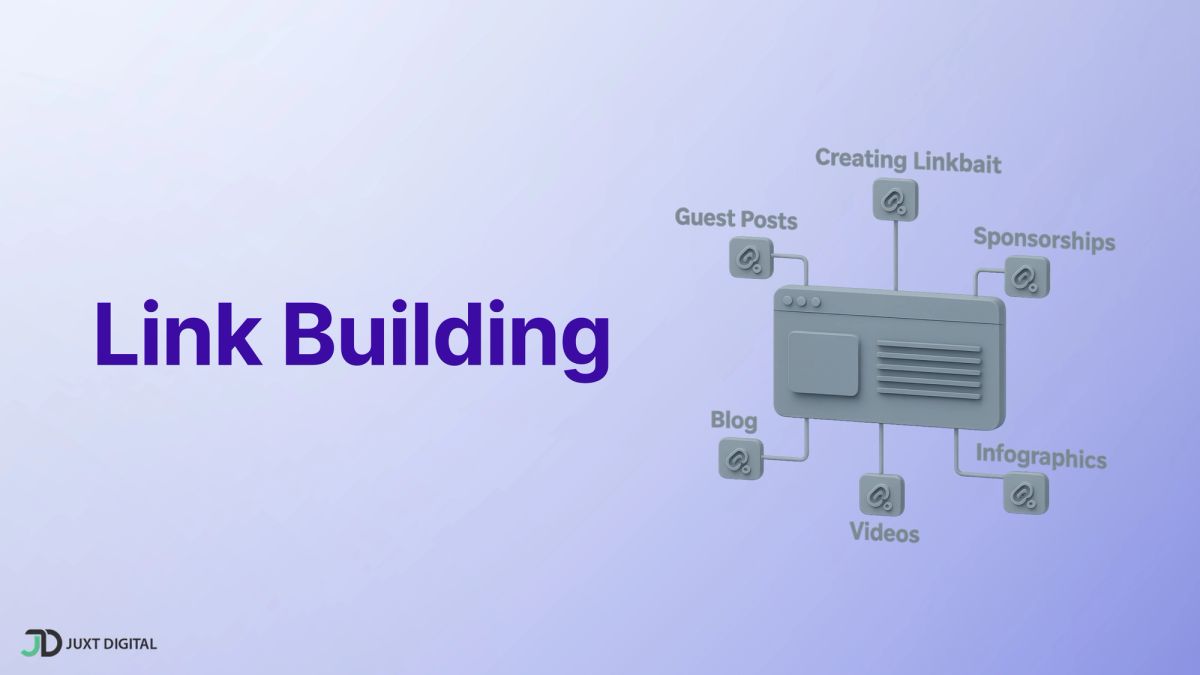
SEOLink Building
What is Link Building? Why It's Still The #1 Ranking Factor
Editor
June 5, 2024
11 min read
Google's top-ranking pages are powered by strategic backlinks. Build domain authority that competitors can't match with our battle-tested link acquisition framework.
Link building is a crucial aspect of Search Engine Optimization (SEO) that can significantly impact your website's visibility and ranking in search engine results pages (SERPs). Instead of just appearing in search results, imagine your website being among the top results, attracting more visitors and potential customers. That's the power of link building. This comprehensive guide will delve into the intricacies of link building, exploring its importance, various types, effective strategies, potential risks, and methods for measuring success.
Defining Link Building in the Context of SEO
Link building, in the realm of SEO, refers to the practice of acquiring hyperlinks from external websites to your own. These hyperlinks, also known as backlinks, play a vital role in improving a website's search engine visibility. Think of backlinks as endorsements from other websites, vouching for the quality and relevance of your content. Search engines, like Google, consider backlinks as a significant ranking factor, as they indicate the credibility and authority of a website. The more high-quality backlinks a website has, the more likely it is to rank higher in search results.
Link building is an ongoing process that involves various strategies, such as content marketing, creating valuable tools, email outreach, and public relations. By actively pursuing link-building opportunities, website owners can enhance their online presence and attract more organic traffic. But it's not just about getting any link; it's about getting links from reputable and relevant websites. This is where the concept of "natural link building" comes in. Natural link building focuses on earning links organically by creating high-quality content that other websites naturally want to link to. This approach is favored by search engines and is more sustainable in the long run. On the other hand, "black-hat SEO" involves manipulative tactics to acquire links, which can result in penalties from search engines.
Furthermore, link building boosts the "authority" of your pages in the eyes of Google. It's like building a reputation for your website. When other websites link to your pages, it shows Google that your content is valuable and trustworthy, leading to higher rankings in search results.
How Search Engines Use Links to Evaluate Websites
Search engines utilize links to crawl the web and discover new content. They follow links between individual pages on a website and links between different websites to understand the relationship between various pages and their content. This process helps search engines determine the relevance and importance of web pages. Imagine search engines as explorers navigating the vast landscape of the internet, using links as pathways to discover new and valuable information.
Links serve as a crucial signal for search engines to evaluate the authority and trustworthiness of a website. When a page receives numerous links from other reputable websites, it indicates to search engines that it is valuable and credible. Consequently, search engines are more likely to rank that page higher in search results.
Search engines use a bot called Googlebot to crawl websites. This bot starts at a website's homepage, analyzes the page's content, and follows the links on that page to other pages within the same website and external websites. By following these links, Googlebot can understand the structure and hierarchy of a website and the relationship between different pages.
Internal links connect pages within the same website and play a significant SEO role. They help search engines understand the structure and hierarchy of a website, making it easier for them to crawl and index the site's content. Internal links also help distribute link equity, the value or authority a link passes from one page to another.
After crawling and indexing web pages, search engines deliver results by matching the user's query with the most relevant and high-quality indexed content. This involves analyzing various factors, including the content of the page, the relevance of the page to the user's query, and the authority of the page based on its backlinks.
Different Types of Links and Their Importance
Links can be categorized into three main types:
- •Internal Links: These links connect pages within the same website. They are essential for website navigation, user experience, and SEO. Internal links help establish a website's architecture and distribute link equity among different pages.
- •External Links: These links point from your website to other websites. They are valuable for providing users with additional information and resources. External links also demonstrate that your website is part of a broader online community.
- •Backlinks: These links point from other websites to your website. They are the most valuable link for SEO, as they signal to search engines that your website is a credible and authoritative source of information.
Backlinks can be further categorized into different types:
- •Natural-editorial backlinks: These are links you earn organically because of the quality and relevance of your content.
- •Manual outreach backlinks: You acquire these links by contacting other website owners and requesting a link.
- •Self-created backlinks: You create links, such as blog comments or forum profiles.
- •Citation and directory links: These are links from online directories and citation sources.
Understanding the difference between "follow" and "nofollow" links is essential. Follow links are the default type of link and allow search engines to pass link equity from one page to another. Nofollow links, on the other hand, have a tag that tells search engines not to follow the link or pass any link equity. While nofollow links may not directly contribute to your website's search engine rankings, they can still be valuable for driving traffic and brand awareness.
How Link Building Can Improve a Website's Search Engine Rankings
Link building is a fundamental aspect of off-page SEO that can significantly improve a website's search engine rankings. Backlinks act as votes of confidence from other websites, signaling to search engines that your website is a trustworthy and authoritative source of information. The more high-quality backlinks a website has, the higher its authority and the better its chances of ranking higher in search results.
Links are among the top three ranking factors in Google's page ranking algorithm. This highlights the importance of link building for SEO and the need to prioritize acquiring high-quality backlinks.
Link building also helps improve a website's visibility in SERPs. When other websites link to your content, it increases the chances of your website appearing in search results for relevant keywords. This increased visibility can lead to more organic traffic and potential customers.
Furthermore, link-building can enhance a website's domain authority and credibility. Domain authority is a metric that predicts how well a website will rank on search engine result pages (SERPs). The higher the domain authority, the more likely a website will rank higher. By acquiring backlinks from reputable websites, you can increase your website's domain authority and improve its overall SEO performance.
The authority of a linking site is influenced by several factors, including the relevance of the linking site's content to your niche and the placement of the link on the page. Links from websites that are closely related to your industry and prominently placed on a page carry more weight than links from irrelevant websites or links buried within a page.
It's important to remember that link building helps search engines understand the value and authority of a website. By building high-quality backlinks from relevant and reputable websites, you can improve your website's ranking in search results and increase the visibility of your content.
Link Building Best Practices
Following best practices is essential to ensure your link-building efforts are effective and sustainable. Here are some key guidelines to keep in mind:
- •Create valuable and quality content: The foundation of any successful link-building strategy is high-quality content that provides value to your target audience. Focus on creating informative, engaging, and shareable content that other websites will naturally want to link to.
- •Know your audience: Understanding your target audience is crucial for creating content that resonates with them and attracting the right backlinks. Research your audience's interests, needs, and preferences to tailor your content and outreach efforts accordingly.
- •Reach out to relevant websites: When conducting outreach, focus on websites pertinent to your content and industry. This will increase your chances of acquiring high-quality backlinks that are valuable for your SEO.
- •Understand your competition: Analyze your competitors' link-building strategies to identify opportunities and best practices. This can help you refine your approach and stay ahead of the curve.
- •Use social media and forums: Leverage social media platforms and online forums to promote your content and build relationships with other website owners. This can increase your website's visibility and attract potential backlinks.
Examples of Effective Link-Building Strategies
Numerous effective link-building strategies can help improve a website's SEO performance. Here are a few examples:
- •Content Marketing: Creating high-quality, informative, and engaging content that other websites naturally want to link to is a highly effective link-building strategy. This can include blog posts, articles, infographics, videos, and different types of content that provide value to your target audience.
- •Guest Blogging: Writing guest posts for other websites in your industry is a great way to reach a new audience and acquire backlinks. When guest blogging, ensure that you provide high-quality content that is relevant to the host website's audience.
- •Resource Page Link Building: Many websites have resource pages that list helpful links for their audience. By identifying relevant resource pages in your niche and requesting a link to your website, you can acquire valuable backlinks.
- •Broken Link Building: This strategy involves finding broken links on other websites and suggesting your own content as a replacement. It's a win-win situation, as you help the website owner fix a broken link and gain a valuable backlink in the process.
- •Outreach: Reaching out to other website owners and bloggers in your industry to promote your content and request a link is a common link-building strategy. When conducting outreach, personalize your messages and highlight the value that your content offers to their audience.
Potential Risks of Unethical Link Building Practices
While link building is essential for SEO, it's crucial to avoid unethical practices that can harm your website's reputation and search engine rankings. Search engines like Google have strict guidelines against manipulative link-building tactics, and websites that violate these guidelines can face penalties. Google takes a firm stance against these tactics and actively penalizes websites that engage in them. These penalties can range from lower search engine rankings to being completely removed from search results.
Some examples of unethical link building practices include:
- •Buying links: Paying for backlinks is a violation of Google's Webmaster Guidelines and can result in penalties.
- •Participating in link schemes: Engaging in link schemes, such as excessive link exchanges or link farms, can negatively impact your website's credibility and search engine ranking.
- •Using low-quality links: Acquiring backlinks from irrelevant or spammy websites can harm your website's reputation and SEO performance. For instance, if your website is about healthy living and you get a backlink from a website about gambling, this could be considered irrelevant and potentially harmful to your website's reputation.
Unethical link-building practices can not only damage your website's search engine rankings but also harm your brand's reputation. Users value authenticity and are more likely to trust websites that have earned their links organically. Engaging in manipulative tactics can erode user trust and negatively impact your brand image.
How to Measure the Success of a Link-Building Campaign
Measuring the success of a link-building campaign is crucial to ensure that your efforts yield positive results. Here are some key metrics to track:
- •Domain authority and backlink profile: Track your website's domain authority and the quality of your backlinks. An increased domain authority and a strong backlink profile indicate a successful link-building campaign.
- •Referral traffic and conversions: Analyze the traffic coming to your website from referral sources. If your link-building efforts drive relevant traffic and conversions, it's a positive sign.
- •Social signals and brand mentions: Monitor social media platforms and online forums for mentions of your brand and content. Increased social signals and brand mentions can indicate the success of your link-building campaign.
Resources for Further Learning About Link Building
To further enhance your knowledge of link building, here are some valuable resources:
Conclusion
Link building is an integral part of any successful SEO strategy. Acquiring high-quality backlinks from reputable websites can improve your website's authority, visibility, and search engine rankings. This can lead to increased organic traffic, brand awareness, and, ultimately, business growth. However, it's crucial to avoid unethical link-building practices that can harm your website's reputation and SEO performance. Remember that building a strong online presence takes time and effort. By focusing on creating valuable content, building relationships with other website owners, and measuring the success of your link-building campaign, you can achieve sustainable and long-term SEO success. So, start implementing the link-building strategies discussed in this article and watch your website climb the search engine rankings!