Loading...
Back to Blog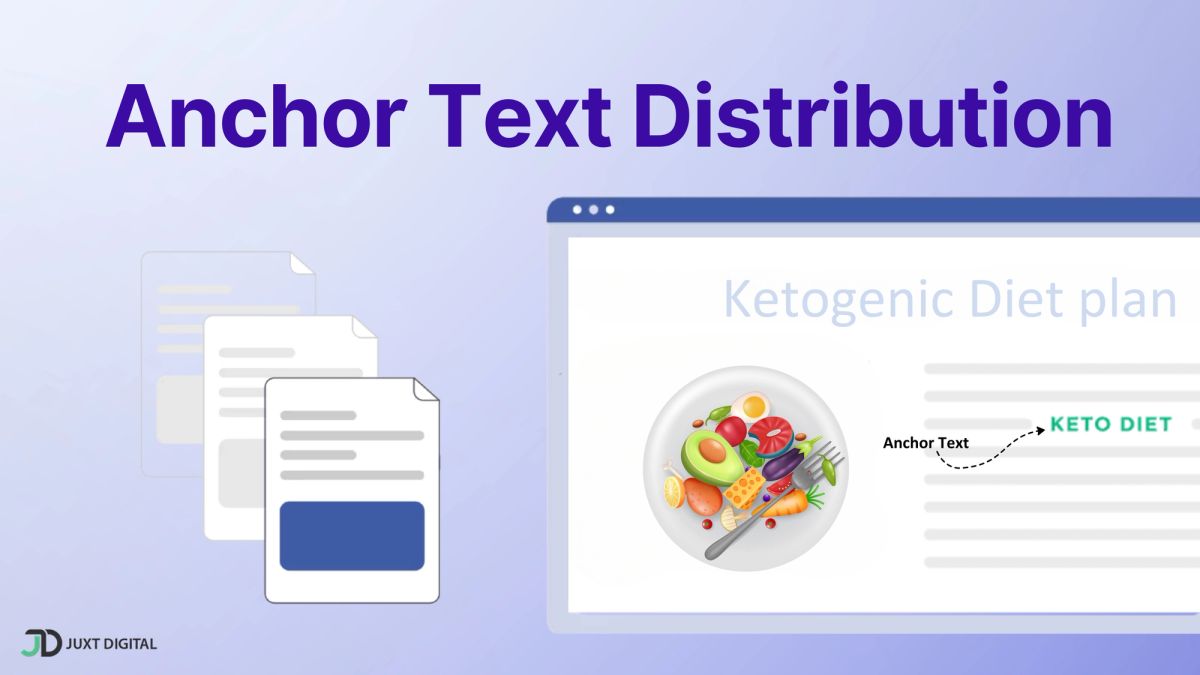
SEOLink Building
Anchor Text Distribution Guide: Perfect Your Ratio for SEO Success
Editor
April 24, 2024
5 min read
Achieve higher rankings using our anchor text ratio formula. Avoid over-optimization penalties while maximizing keyword relevance signals that most link builders miss.
What Is Anchor Text?
Anchor text is the clickable text within a hyperlink visitors see and use to navigate websites. It provides context to both users and search engines about the link's destination and the relationship between the linked pages. Optimizing anchor text is a crucial aspect of SEO because it can influence how search engines understand and rank your web pages. For example, using relevant and descriptive anchor text can help your site get featured snippets and rich results on search engine results pages (SERPs).
Types of Anchor Text
There are various types of anchor text, each with its implications for SEO. Here are some of the most common types:
- •Generic: These are common words or phrases that don't precisely describe the linked page, such as "click here," "read more," or "learn more." For example, "To learn more about SEO, click here."
- •Exact-match: This anchor text uses the keyword phrase you want the linked page to rank for. For example, if you want to rank for "best running shoes," the anchor text would be "best running shoes."
- •Phrase match: This anchor text includes the target keyword within a longer phrase. For example, "Check out these best running shoes for marathon training."
- •Partial match: This type of anchor text uses variations of the target keyword or related terms. For example, "find the top-rated running shoes."
- •Branded: This anchor text uses your brand or website name as the link. For example, "Visit the Nike website for the latest running shoes."
- •Naked URLs: These links display the full URL as the anchor text, such as "example.com/running-shoes".
- •Image ALT Tags: When you link an image, the alt text used for that image acts as the anchor text. This is important for both accessibility and SEO.
Why Keyword Anchor Texts Can Be Dangerous
While using keywords in anchor text can be beneficial, overdoing it can harm your SEO efforts. In 2012, Google released the Penguin update, specifically targeting websites with unnatural anchor text distributions. A study conducted at that time showed that websites with a high percentage of exact-match keyword anchor text were most affected by the update.
Google's algorithms have become much more sophisticated since then and can easily detect unnatural anchor text patterns. If any of your backlinks use exact-match keywords, it can trigger a red flag for Google, potentially leading to penalties and lower rankings.
Furthermore, stuffing your content with keyword-rich anchor text can harm readability and make your website appear spammy to users. Anchor text should flow naturally within the surrounding content and provide a clear and relevant context for the link.
What Is Natural Anchor Text?
Natural anchor text refers to relevant and descriptive link text that fits seamlessly within the content. Varying your anchor text is essential to avoid over-optimization and create a natural link profile. Google uses anchor text to understand the relationship between the linking page and the linked page, so using relevant anchor text helps Google understand the context and relevance of your content.
Example of Natural Anchor Text
"This article on Neil Patel ranked #1 for the query." This example demonstrates natural anchor text because it uses a descriptive phrase that accurately reflects the linked page's content.
Example of Unnatural Anchor Text
"If you're unsure which keywords to use in anchor text for internal links, consider using an SEO tool." This example is unnatural because it forces a promotional mention of a specific tool within the anchor text, making it seem less organic and more manipulative.
Lessons From Big Brands – Anchor Text Distribution Analysis
Analyzing the link profiles of successful websites can help one understand how to use anchor text effectively. High-ranking websites generally maintain a diverse anchor text distribution, focusing on branded and natural variations. For example, for homepages, 80-95% of links should have branded anchors, URLs, and natural anchor text, while only 5% or less should have exact-match anchors.
How to Rank Without Using Exact Match Keyword Anchor Text
While exact match anchor text can be risky, other ways exist to improve your website's ranking without relying on potentially harmful tactics.
On-page SEO Optimization
Before focusing on link building, ensure your website has a strong foundation in on-page SEO. This includes optimizing your content with relevant keywords, using clear and concise headings, and writing compelling meta descriptions.
Internal Linking
Internal linking is a valuable SEO strategy that involves linking to other relevant pages within your website. This helps search engines understand your website's structure and hierarchy, improves user navigation, and can boost the ranking of important pages.
Diversify Anchor Text
Using a variety of anchor text is crucial for maintaining a natural link profile. A study by Ahrefs found a strong correlation between anchor text variety and higher search traffic. Aim for a balanced distribution that includes branded, generic, partial match, and naked URLs. A general guideline for anchor text distribution is as follows: 50% branded, 25% topic-related, 15% miscellaneous/call to action, and 10% target keyword variations.
It's also important to consider search intent when choosing anchor text. Align your anchor text with the user's likely search intent to improve rankings and user experience.
Keep Track of Your Anchor Text for Safe and Effective link-building
Monitor your backlink profile and anchor text distribution regularly to ensure you're not over-optimizing or using potentially harmful practices. Tools like Ahrefs and Semrush can help you track your anchor text and identify areas for improvement.
Conclusion
Anchor text is vital in SEO by providing context and relevance to users and search engines. While using keywords in anchor text can be beneficial, it is crucial to avoid over-optimization and maintain a natural link profile. To achieve the best results, diversify anchor text, use relevant and descriptive phrases, and prioritize user experience. Regularly monitor your anchor text distribution and adjust as needed to ensure your link-building efforts are safe and effective.